Española Island is thought by many to be one of the main highlights of a visit to the Galapagos Islands. When you visit it, you will see why. Also known as Hood Island, Espanola Island is home to the only waved albatross breeding colony worldwide. Espanola Island is fascinating and there is plenty to see here, but it is only permitted to visit with a licensed guide. This means visits are only possible as part of a Galapagos Islands cruise or land-based trip. Note that not all Galapagos Islands cruises include a visit to Espanola Island, so if this is a must-visit place for you, check it is on your tour before booking.
Geographically situated as part of the central islands in the Galapagos, Espanola is nonetheless about as far south as it gets in the archipelago. It is a full 12-hour trip by boat from Santa Cruz Island.
As a result of erosion of the volcano from which it is formed, it is also one of the flattest islands with an altitude high of 675 feet (206 meters). It has a relatively dry climate.
For those not on a Galapagos cruise, the easiest way to visit is from San Cristobal Island, which is just two hours away from Espanola Island by boat.
One of the most immersive ways to combine a visit to Española Island with broader exploration of the archipelago is by choosing a longer marine itinerary, such as the Elite Luxury Cruise. This modern catamaran blends spacious cabins with panoramic views and expert naturalist-led excursions, making it easier to reach multiple visitor sites, including Española, over the course of a week or more. Travelers appreciate how such cruises allow for daily hikes, snorkeling, and wildlife observation while still providing knowledgeable guidance on the natural history and unique ecology of the islands, creating a more complete Galápagos experience.

Espanola Island has an estimated age of four million years old and is believed to be among the oldest Galapagos Islands. It was formerly a shield volcano with the caldera to the center of the island. Over time, it drifted away from the primary Galapagos hotspot. There is no human history on Espanola Island.

There are a multitude of highlights for visitors at Espanola Island. Here are some of our favorites:
Waved albatross – Espanola Island is where the waved albatross species breeds, and the birds make an annual visit to this spot between April and December each year. Almost the entire world population (estimated 25,000 to 30,000 individuals) of this species can be found at Espanola Island during these months. There are various waved albatross highlights during this period. These include the spectacular mating dance that these large birds do, which includes beak fencing and a lot of honking! Seeing young, waved albatross chicks is also an incredible highlight. Even more fun is watching the waved albatross getting ready for take-off, making their way to the edge of the cliff before jumping off and catching the wind to fly gracefully off.
Punta Suarez – this is a fascinating visitor site and one of the biggest spectacles here is the blowhole from where water shoots up periodically at high tide. The water can reach as high as 75 feet (23 meters) in the air! There is also plenty of birdlife and wildlife to see at Punta Suarez, such as swallow-tailed gulls, red-billed tropicbirds, blue footed boobies and Nazca boobies.
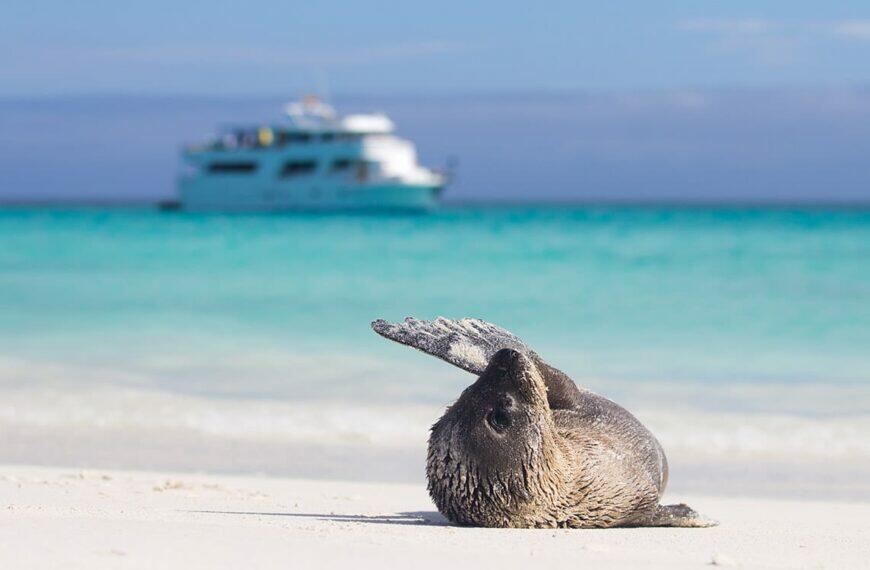
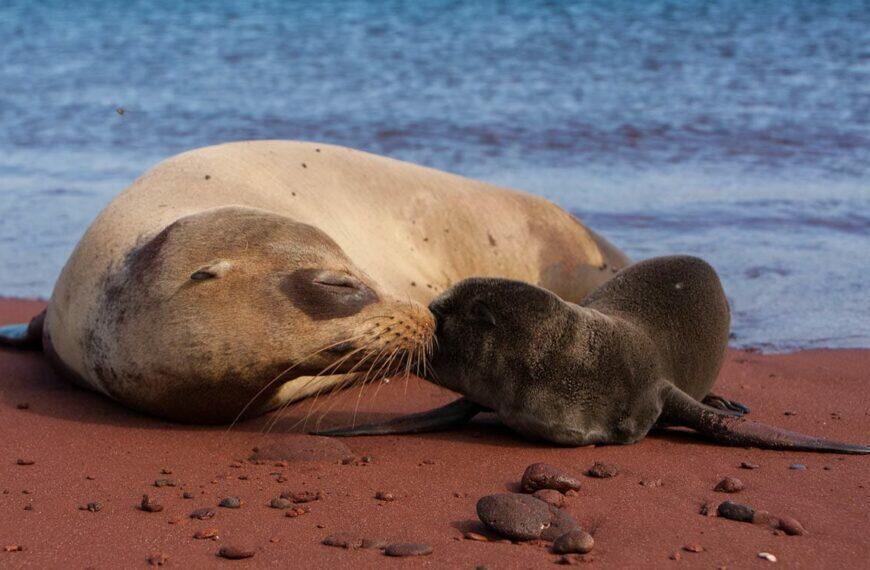
Gardner Bay – this visitor site on Espanola Island is a delightful large white sand beach, good for resting on the sand or cooling off in the sea, perhaps with your snorkeling gear. It is maybe one of the nicest beaches in the Galapagos Islands, though you’ll probably have to share it with a sea lion colony too!
Wildlife abounds at Espanola Island. The lack of a human population here has meant that species have not faced the same extent of invasive species (like goats) that they have on other islands in the archipelago. Some of the wildlife you may get to see includes:
Waved albatross – as mentioned above, for many people this will be a highlight of a visit to Espanola Island. An adult waved albatross is quite the sight as they are more than 3 feet tall (1 meter) and have a massive wingspan of between 6.5 to 8.2 feet (2 to 2.5 meters). Waved albatross mate for life. The species is rated as Critically Endangered due to various threats that they face, including over-fishing, oil pollution and global warming.
Nazca booby – formerly known as the “masked booby” there are also colonies of this species on Espanola Island. Often, you may encounter nests along the visitor trail, particularly near the western cliffs.
Marine iguana – while other populations of this species change color at different points in the year, the marine iguana is unusual for staying red and green all year around. For this reason, they have been dubbed the “Christmas iguana”. This is the only marine iguana group that is known to do this.
Tortoises – you may not get to see a tortoise, but they are present on Espanola Island. A lot of conservation work has been undertaken on Espanola to increase the population of tortoises from just a few to more than 2,000! This population is now considered to be thriving on Espanola Island, which is an important conservation success.
Espanola mockingbird – this species is especially bold and not at all shy. Larger than other mockingbird species in the archipelago, the Espanola mockingbird will often land on visitors seeking food. They eat everything from insects through to baby boobies.
Espanola lava lizard – this lizard is endemic to Espanola Island and can often be seen scuttling about on the sand or rocks.
Blue footed booby – this comic-looking species with its bright blue feet can be found on Espanola Island. If you time your trip right, you might be lucky enough to observe the unusual courtship dance of this species. They also nest on the path.
Whales – during the months of June to October, some visitors may get to see Humpback whales on their boat trip to Espanola Island as these graceful beasts can be found in the waters around the Galapagos Islands during these months.
Sharks and rays – various species of sharks can also sometimes be seen in the waters around the island. These include whitetip reef sharks, Galapagos sharks, and sometimes hammerheads. Eagle rays and manta rays are sometimes present too.

Espanola Island offers a range of activities including:
Wildlife observation and photography – this is what you’re here for after all! During your visits to this island there may be good opportunities for photographing an array of different wildlife, including the waved albatross (assuming you are visiting between April and December), marine iguana, sea lion, blue footed booby, Nazca booby and maybe even a Galapagos hawk.
Trail walking – part of the wildlife observation involves walking along the well-maintained trails on Espanola Island. None of these are very long or too challenging but having suitable footwear will make the experience more comfortable.
Swimming and snorkeling – these activities are possible at the Gardner Bay visitor site. If you are lucky, you may experience young sea lions playing with you in the water while you snorkel or swim. Watch out for the larger protective parents though! As well as sea lions you may encounter a variety of pretty tropical fish, including Bump-head parrotfish, King Angelfish and Yellow-tailed surgeon fish.
All Espanola Island activities will be undertaken with a guide, as it is not possible to visit this island without a guide.
There are no hotels on Espanola Island. The island does not have a human population, and you will not be able to stay here. The nearest hotels can be found on San Cristobal Island which is two hours away, and it is possible to visit from there and stay on San Cristobal.
Similarly, as there is no population, there are no restaurants on Espanola Island. The closest restaurants are on San Cristobal Island, two hours away.
Use the live availability tool below to see current cabin openings on Galapagos cruises that include Española Island in their itineraries. Compare routes, dates, and onboard features, and reserve your cruise with the guidance of our experienced Galapagos travel specialists to ensure your plans align with the sites you most want to visit.